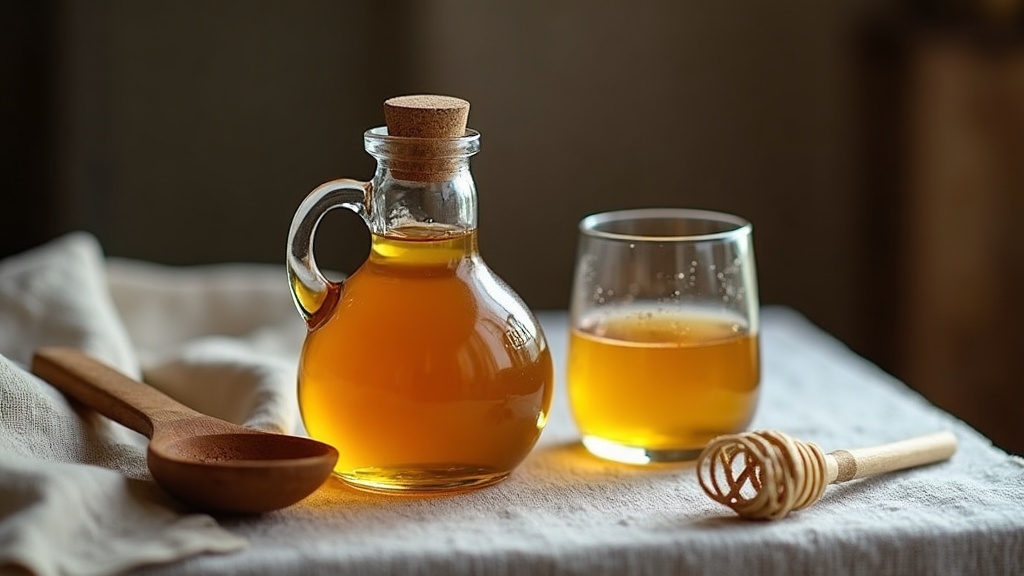
Long before test strips and tracking apps, home cooks kept Biblical drink (oil)/ Honey blend on the shelf simply because it fit the rhythm of a market-day meal.
Saturday mornings at the local market look the same in almost every neighborhood: baskets of greens, ripe fruit, fresh bread — and a quiet question hanging over every stall. What actually goes on the plate today?
Energy climbs, then drops hard by mid-afternoon — a familiar pattern for anyone who pays attention to meals.
Even after a full night's sleep, the first hours of the day can feel heavier than they should.
One article says avoid carbs, another says avoid fat — the confusion around 'what to eat' never quite settles.
Three meals a day means three decisions a day, and that adds up over weeks and months.
Kitchen talk at the market is full of shortcuts and rules of thumb. Some hold up. Some don’t.
All carbohydrates are the enemy.
Carbohydrates are one part of a bigger picture; the type, portion, and what they’re paired with matter as much as their presence.
Fruit is basically candy.
Whole fruit comes with fiber and water that behave very differently from refined sugar in a recipe.
‘Diabetic food’ is a special category you have to buy.
Most traditional, minimally processed meals were never built around a marketing label in the first place.
Not a diet plan — just small routines some households have used for years.
Eating without rushing gives the body time to register the meal — try setting utensils down between bites.
Some home cooks start with vegetables, then protein, saving starches for last — a simple sequence, not a rule.
A gentle walk around the block after a meal is an old habit in many households, long before it had a name.
Long before nutrition labels existed, oil and honey sat side by side in kitchens across the Mediterranean and the Levant. Honey sweetened bread and pastries at family gatherings, while oil dressed vegetables fresh from the market stall. The pairing shows up in old recipe books passed between neighbors, in market stories about which vendor pressed the best oil that season, and in the simple habit of drizzling both over a plate of greens before sitting down to eat. It was never a remedy kept in a cabinet — it was just part of how a meal came together.
The story of Biblical drink (oil)/ Honey blend belongs to the kitchen table, not the medicine cabinet — and any change to a meal routine is separate from any change to a treatment plan, which should always go through the professional who knows your history.
If energy consistently spikes then crashes after eating, it's worth bringing up at the next visit with the professional who follows your care.
A pattern of sluggish mornings, even with rest, is something to mention rather than guess about — your doctor can help make sense of it.
If mealtimes feel unpredictable or stressful to plan, a conversation with a healthcare provider or dietitian can help build a routine that fits.
Sudden changes in appetite or cravings are worth mentioning at your next appointment rather than addressing on your own.
Any question about how meals interact with a prescribed treatment belongs with the doctor or pharmacist who manages that treatment — never guesswork.
Before changing a meal plan in a meaningful way, check in with the professional overseeing your care — they can help adapt it safely.
These stories reflect personal routines and opinions only. They are not medical claims, and individual experiences vary. Always consult your healthcare provider about any changes to your diet or treatment.
Explore the story behind Biblical drink (oil)/ Honey blend and how it fits into everyday meals — and remember, any change to your routine or treatment should always be discussed with the healthcare professional who knows your history first.
Advertising Disclosure: This is sponsored content created for informational and promotional purposes. This page may contain affiliate links, and we may receive compensation if you make a purchase through one of these links, at no additional cost to you.
Content Disclaimer: This content is for educational purposes only and has not been evaluated by the FDA. It is not intended to diagnose, treat, cure, or prevent any disease or condition. It does not substitute for professional medical advice, diagnosis, or treatment. Always consult a qualified healthcare professional before changing your diet, routine, or any prescribed treatment.
Results Disclaimer: Individual results and experiences vary. Testimonials shared on this page reflect personal opinions and are not a guarantee of any particular outcome.
© 2026 · All Rights Reserved